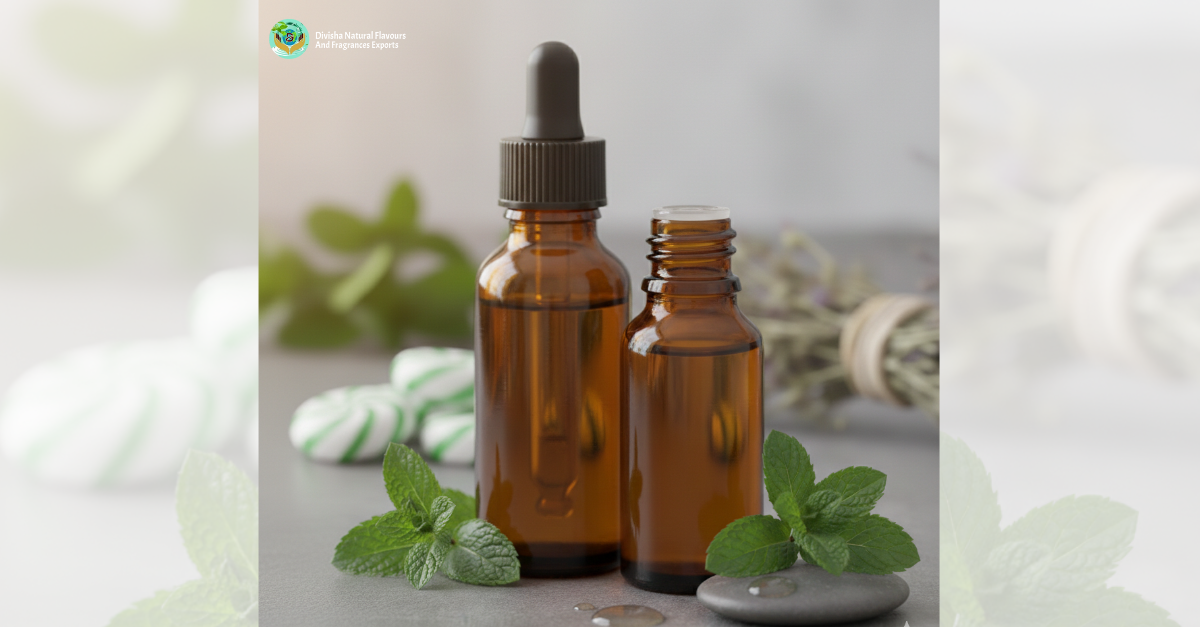
In the world of natural skincare, Peppermint Oil has earned a strong reputation for its refreshing aroma and powerful skin-supporting properties. For over two decades, I have worked closely with essential oils as a business owner, and I have seen how the right knowledge can transform the way people use natural products. When used correctly, peppermint oil can help improve skin clarity, soothe discomfort, and deliver a cooling sensation that feels instantly revitalizing.
At Divisha Naturals Flavours And Fragrances Exportes, we focus on supplying high-quality essential oils that meet global standards. Over the years, many of our customers have asked how to safely apply peppermint oil on the face without irritation. This guide is written to answer that question clearly and honestly. Applying peppermint essential oil to facial skin requires care and the right level of mixing. and an understanding of your skin’s needs. In this detailed, step-by-step blog, you will learn the safest and most effective way to use the oil on your face while enjoying its benefits without risk.
Not all peppermint oils are created equal. When applying any essential oil to the face, purity and sourcing matter greatly. Always select Peppermint Oil that is 100% pure, natural, and free from synthetic additives, fillers, or artificial fragrances. Oils that are diluted with chemicals may smell strong but can cause unwanted skin reactions.
One of the most common mistakes people make is applying essential oils directly to the skin. The oil is highly. Strong and must always be diluted. Even experienced users never apply it undiluted to the face.
Dilution reduces the risk of redness, burning, or tingling. A safe guideline is to mix 1–2 drops of the oil with one teaspoon of a carrier oil. This ratio protects the skin while still allowing you to enjoy the oil’s cooling and purifying properties. Proper dilution is especially important when exploring peppermint essential oil benefits for skin, as facial skin is delicate and more sensitive than other areas of the body.
No matter how natural a product is, every skin type reacts differently. A patch test is a simple but essential step that should never be skipped. Apply a small amount of diluted Peppermint Oil to the inside of your elbow or behind your ear.
Wait for at least 24 hours and observe your skin. If there is no redness, itching, or discomfort, it is generally safe to proceed with facial application. In my professional experience, this single step has helped countless users avoid unnecessary irritation and build confidence in using The Oil correctly.
Before applying any oil to your face, your skin must be clean. Dirt, makeup, and excess oil can block absorption and trap impurities, leading to breakouts.
Use a gentle cleanser suited to your skin type and rinse with lukewarm water. Pat your face dry with a clean towel. Clean skin allows The oil to work effectively and reduces the chances of clogged pores. This preparation step enhances peppermint essential oil benefits for skin by ensuring that active compounds reach the skin properly.
Carrier oils play a crucial role in essential oil application. They dilute the potency and nourish the skin at the same time. Some excellent carrier oils for facial use include jojoba oil, sweet almond oil, coconut oil, or grapeseed oil.
In a small bowl, add your carrier oil first, then add 1–2 drops of The Oil. Mix gently. This blend not only ensures safety but also improves spreadability, making application smoother and more controlled. Over the years.
When applying the oil blend, less is always more. Take a few drops on your fingertips and gently massage it onto your face using upward, circular motions. Focus on areas prone to oiliness or dullness, such as the forehead and cheeks.
Avoid rubbing aggressively. Gentle application allows the skin to absorb the oil without stress. The cooling sensation of Peppermint essential oil should feel refreshing, not overwhelming. If the sensation feels too strong, rinse immediately and reduce the dilution next time.
The skin around the eyes and lips is thinner and more sensitive than the rest of the face. Peppermint oil vapors can also irritate the eyes, causing watering or burning sensations.
Always maintain a safe distance from these areas during application. In professional skincare practices, we treat the eye and lip zones with extra caution, and the oil is no exception. Respecting this boundary ensures a safe and comfortable experience with Peppermint Oil.
Peppermint oil does not need to stay on the skin for long periods to be effective. For beginners, leaving the diluted oil on the face for 10–15 minutes is sufficient. This allows the skin to benefit from its cleansing and cooling properties without overstimulation.
With experience and tolerance, some users choose to leave it on longer, but overnight use is generally not recommended for facial skin. Understanding the right duration is key to enjoying peppermint essential oil benefits for skin safely.
Consistency matters more than frequency. Using The oil two to three times a week is usually enough to see positive results. Overuse can lead to dryness or sensitivity, especially for those with delicate skin.
Moderation allows your skin to adapt and benefit gradually. When used wisely, Peppermint essential oil can support clearer-looking skin, improved texture, and a naturally refreshed appearance.
Additional Skin Benefits Worth Knowing
Over the years, many users have shared real-life experiences highlighting peppermint essential oil benefits for skin. These include a cleaner skin feel, reduced oiliness, and a sense of calm after long, tiring days. The natural menthol content provides a cooling effect that many find especially helpful in warm climates.
However, these results depend on quality, correct dilution, and mindful use. Trusted results always come from patience and proper technique rather than shortcuts.
Using The Oil on your face can be a rewarding addition to your skincare routine when done correctly. From choosing the right oil to applying it gently and in moderation, every step plays an important role in safety and effectiveness. At Divisha Naturals Flavours And Fragrances Exportes, we believe that education is just as important as product quality. Our years of experience in essential oils have shown us that informed users achieve the best results with confidence and care.
Choose quality peppermint oil, follow safe steps, and experience naturally refreshed skin with confidence and care.
Q. Can you apply peppermint oil directly to skin?
Ans. No, peppermint oil should not be applied directly to the skin. It is a highly concentrated essential oil, and using it undiluted can cause irritation, redness, a burning sensation, or sensitivity especially on the face. For safe skin use, peppermint oil should always be diluted with a carrier oil such as coconut oil, jojoba oil, or sweet almond oil. Proper dilution helps protect the skin while still allowing you to enjoy the oil’s cooling and refreshing benefits.
Q. Can peppermint oil be used around the eyes or lips?
Ans. No, peppermint oil should be kept away from the eyes and lips. These areas are highly sensitive, and the oil’s vapors may cause irritation or discomfort.
Q. Can I put peppermint oil on my skin?
Ans. Yes, you can put peppermint oil on your skin, but only when it is properly diluted. Peppermint oil is very strong and should never be applied directly to the skin. Mixing 1–2 drops of peppermint oil with a carrier oil such as coconut oil, jojoba oil, or sweet almond oil makes it safe for use. Always perform a patch test before applying it to larger areas to avoid irritation or sensitivity.
Q. Can peppermint help with headaches?
Ans. Yes, peppermint oil may help reduce headaches by providing a cooling effect that relaxes muscles and eases tension. When diluted and applied to the temples or neck, it can offer natural relief.
Q. Is peppermint oil good for skin whitening?
Ans. Peppermint oil does not whiten the skin, but it may help improve skin clarity and brightness. When properly diluted, it can support oil control and refresh dull-looking skin, which may make the complexion appear more even. Always dilute before use and avoid expecting permanent skin lightening results.
Q. Is peppermint oil safe to use?
Ans. Yes, peppermint oil is generally safe when diluted with a carrier oil. Avoid applying it directly to the skin, keep it away from eyes, and consult a doctor before use during pregnancy or on children. Stop use if any irritation occurs.